What Is Urban Planning and Its Impact on Cities

Balancing rapid city expansion with environmental sustainability is a daily challenge for urban planners and architects in European cities. Growing demand for efficient transport, adaptable public spaces, and resilient infrastructure demands fresh approaches. By understanding the core concepts of urban planning and integrating advanced 3D technology, professionals can optimise design processes, improve stakeholder engagement, and support truly sustainable metropolitan growth.
Table of Contents
- Core Concepts Of Urban Planning Explained
- Key Types And Approaches In Practice
- Role Of 3D Technology In City Design
- Legal Frameworks And Planning Regulations
- Impacts, Challenges, And Common Misconceptions
Key Takeaways
| Point | Details |
|---|---|
| Importance of Urban Planning | Urban planning is essential for creating sustainable, resilient cities that enhance quality of life and economic viability. |
| Diverse Planning Approaches | Various urban planning methodologies exist, each suited to specific situations, enabling adaptable and effective urban solutions. |
| Role of Technology | 3D modelling and visualisation technologies significantly improve urban planning by enhancing stakeholder engagement and analysis capabilities. |
| Legal Frameworks | Understanding legal frameworks is vital for navigating urban development, ensuring equitable growth and compliance with regulations. |
Core Concepts of Urban Planning Explained
Urban planning represents a sophisticated discipline focused on designing and managing urban environments to enhance quality of life, economic efficiency, and environmental sustainability. At its core, urban planning integrates complex systems of land use, infrastructure development, and social dynamics to create functional, resilient cities. Effective urban planning strategies respond dynamically to rapid urban growth challenges such as population expansion, resource management, and environmental preservation.
The fundamental objectives of urban planning encompass several critical dimensions:
- Spatial Organisation: Designing urban layouts that optimise land usage and connectivity
- Infrastructure Development: Creating robust transportation, utility, and communication networks
- Environmental Sustainability: Implementing strategies to reduce ecological footprints
- Social Equity: Ensuring inclusive urban spaces that serve diverse population needs
- Economic Viability: Supporting economic growth through strategic urban design
Professional urban planners utilise sophisticated tools and methodologies to analyse urban systems comprehensively. Urban planning and design integrate strategies that address climate change, enhance urban resilience, and improve systemic efficiency across multiple scales - from metropolitan regions to individual building designs.

Pro tip: When evaluating urban planning strategies, always consider long-term sustainability and adaptability rather than focusing solely on immediate infrastructural requirements.
Key Types and Approaches in Practice
Urban planning theories represent sophisticated methodological frameworks that guide strategic urban development across diverse contexts. These theoretical approaches evolve dynamically, reflecting changing societal needs, technological advancements, and complex urban challenges. Urban planners utilise multiple planning paradigms to address intricate spatial, social, and economic requirements of modern metropolitan environments.
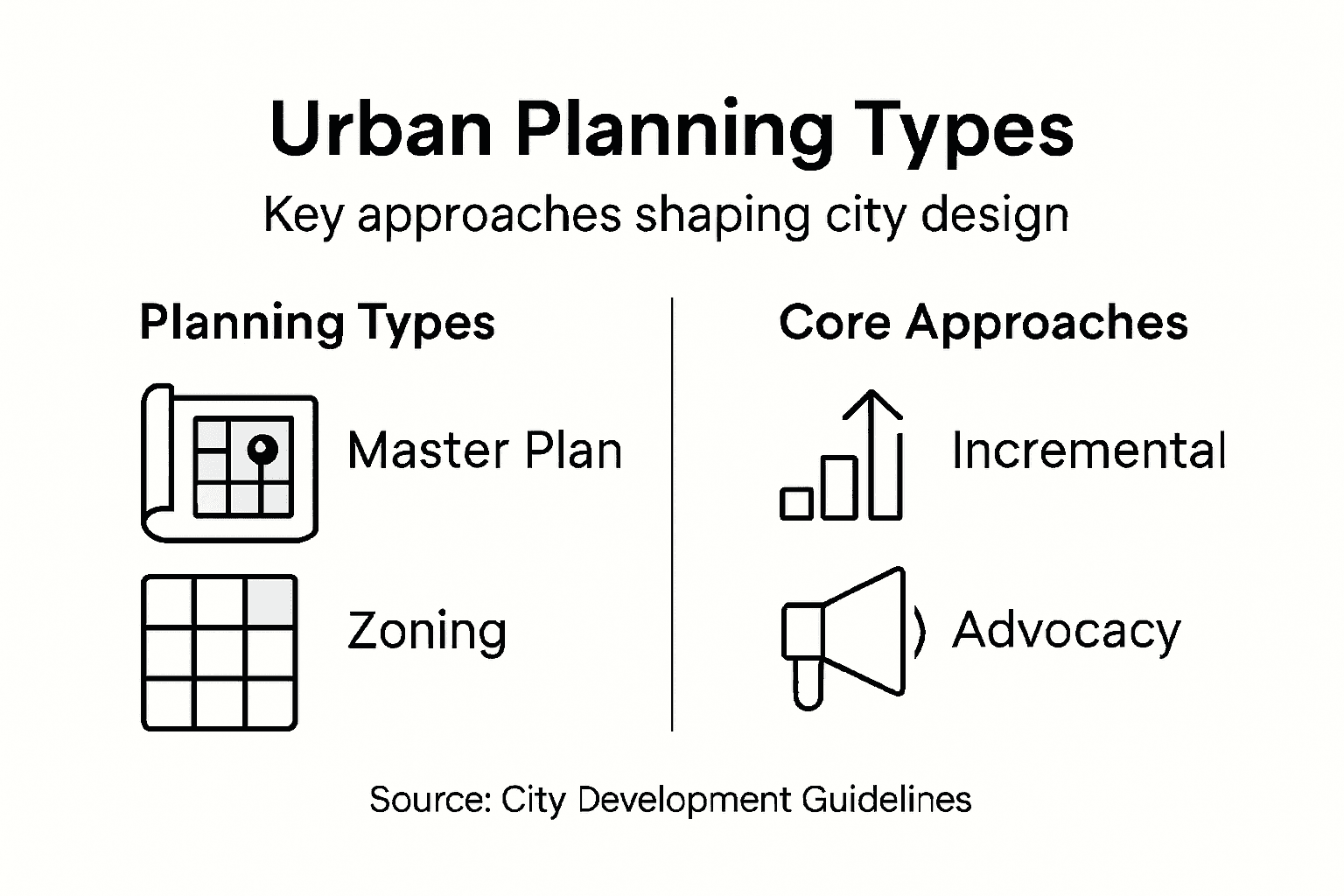
The primary types of urban planning approaches include:
Here is a comparative overview of key urban planning approaches and their main strengths:
| Planning Approach | Best Use Scenario | Distinguishing Feature |
|---|---|---|
| Rational-Comprehensive | Large-scale, long-term city transformations | Data-driven, holistic decision-making |
| Incremental | Gradual urban adaptation | Flexible step-by-step adjustments |
| Advocacy | Projects with social equity focus | Emphasis on minority representation |
| New Urbanism | Mixed-use, walkable neighbourhoods | Focus on community sustainability |
| Strategic | Achieving specific measurable outcomes | Targeted goal setting and monitoring |
- Rational-Comprehensive Planning: Systematic approach using comprehensive data analysis and long-term strategic visioning
- Incremental Planning: Gradual, adaptive strategy focusing on step-by-step urban modifications
- Advocacy Planning: Participatory approach emphasising community engagement and marginalised group perspectives
- New Urbanism: Design philosophy promoting walkable neighbourhoods, mixed-use developments, and sustainable community structures
- Strategic Planning: Goal-oriented method targeting specific urban transformation objectives
Urban planning involves multiple complementary types of strategic documentation to guide development processes:
- Perspective Plans: Long-term visionary blueprints (10-20 years)
- Development Plans: Medium-term detailed guidance (5-10 years)
- Annual Plans: Short-term actionable strategies
- Local and Regional Plans: Geographically specific interventions
- Structure Plans: Physical framework establishing spatial relationships
Pro tip: Always integrate multiple planning approaches and remain flexible, recognising that urban environments are complex, dynamic systems requiring adaptive strategies.
Role of 3D Technology in City Design
3D city modeling technologies have revolutionised urban planning by providing unprecedented spatial analysis and visualisation capabilities. These advanced digital tools enable urban planners to create intricate, high-resolution representations of metropolitan environments, transforming how cities are designed, analysed, and developed. By integrating sophisticated spatial data collection methods, 3D technologies offer comprehensive insights into urban landscapes that traditional planning approaches could never achieve.
Key technological innovations in urban 3D modeling include:
- Drone Mapping: Utilising UAVs for high-precision aerial data collection
- Photogrammetric Techniques: Creating detailed 3D models from multiple photographic perspectives
- Laser Scanning: Generating precise architectural and infrastructural representations
- Geographic Information Systems (GIS): Integrating spatial data with complex urban modeling
- Virtual Reality Simulations: Enabling immersive urban planning experiences
3D visualisations enhance communicative urban planning by supporting critical processes:
The table below summarises the benefits of 3D technology across major urban planning tasks:
| 3D Technology Benefit | Impact on Planning Process | Application Example |
|---|---|---|
| Enhanced Visualisation | Clearer communication to stakeholders | Animated city models |
| Interactive Simulation | Validates design feasibility | Pedestrian flow modelling |
| Improved Stakeholder Engagement | More informed public consultations | Virtual reality public forums |
| Detailed Environmental Analysis | Accurate impact forecasting | Air quality and shadow studies |
- Stakeholder Engagement: Creating intuitive visual representations
- Design Validation: Testing urban interventions before implementation
- Public Consultation: Facilitating transparent decision-making processes
- Environmental Impact Assessment: Simulating proposed developments
- Complex Spatial Analysis: Understanding intricate urban interactions
Pro tip: Integrate multiple 3D modeling techniques to create comprehensive, dynamic urban representations that capture the complexity of metropolitan ecosystems.
Legal Frameworks and Planning Regulations
Urban legislation provides fundamental guidelines for sustainable city development, establishing critical parameters that govern spatial, social, and economic urban transformations. These legal frameworks serve as comprehensive mechanisms that define land access conditions, stakeholder responsibilities, and regulatory boundaries essential for structured metropolitan growth. By creating predictable, transparent systems, urban legal frameworks balance complex public and private interests while ensuring equitable development opportunities.
Key components of urban planning legal frameworks include:
- Land Use Regulations: Defining permissible spatial utilisation
- Zoning Ordinances: Establishing specific geographical usage guidelines
- Environmental Protection Standards: Ensuring sustainable development practices
- Infrastructure Development Policies: Guiding public utility and transportation networks
- Property Rights Frameworks: Clarifying ownership and development permissions
Legal foundations require multi-agency collaboration to effectively address urban development challenges:
- Intergovernmental Policy Coordination
- Comprehensive Regulatory Harmonisation
- Transparent Decision-Making Processes
- Adaptive Regulatory Mechanisms
- Stakeholder Engagement Protocols
Pro tip: Develop a nuanced understanding of local planning regulations, recognising that legal frameworks are dynamic systems requiring continuous interpretation and adaptation.
Impacts, Challenges, and Common Misconceptions
Urban renewal significantly influences sustainable development by transforming public spaces and enhancing residents’ quality of life. The complex interplay between economic growth, social equity, and environmental health presents multifaceted challenges that require nuanced, integrated approaches. Urban planners must navigate intricate systems, balancing technological innovation with human-centric design principles to create resilient, adaptive metropolitan environments.
Critical challenges in contemporary urban planning include:
- Resource Allocation: Managing limited financial and spatial resources
- Climate Adaptation: Developing strategies for environmental resilience
- Social Inequality: Addressing disparities in urban development
- Technological Integration: Incorporating emerging digital infrastructure
- Community Engagement: Ensuring inclusive decision-making processes
Community participation remains crucial for achieving sustainable urban development goals. Key misconceptions about urban planning often arise from:
- Viewing planning as a top-down, inflexible process
- Underestimating the complexity of urban ecosystems
- Neglecting long-term systemic impacts
- Assuming uniform solutions across different contexts
- Overlooking local community knowledge and perspectives
Pro tip: Embrace complexity and remain adaptable, recognising that urban planning is an ongoing dialogue between technological innovation, community needs, and environmental sustainability.
Enhance Your Urban Planning with Advanced 3D Technology
Urban planning is a complex process that demands detailed spatial analysis, sustainable design, and effective stakeholder engagement. As highlighted in the article, challenges like managing urban growth, ensuring environmental sustainability, and fostering social equity require adaptable and data-driven solutions. If you are seeking to visualise intricate urban systems or validate your planning strategies with precise 3D models, embracing innovative technology is essential.
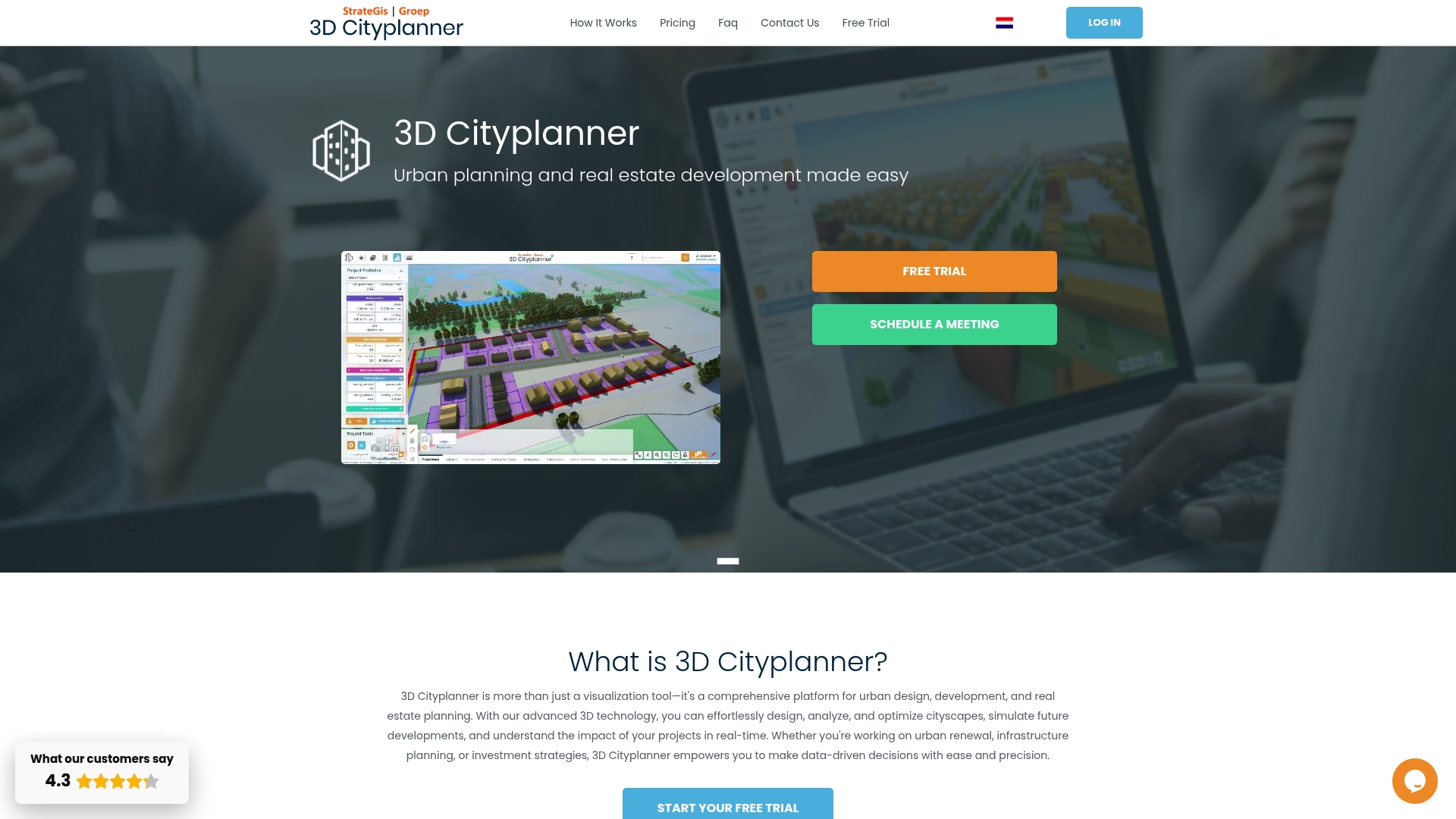
Discover how 3dcityplanner.com can transform your urban development projects. Our platform offers powerful features such as automatic building generation, line of sight visualisations, and noise pollution simulations. With support for 4D planning and real-time project phase monitoring, 3D City Planner empowers professionals to optimise city designs and improve collaborative decision-making effortlessly. Start your journey towards smarter, more sustainable cities today by visiting 3dcityplanner.com and explore all our advanced tools available in one integrated digital environment.
Frequently Asked Questions
What is urban planning?
Urban planning is the discipline focused on designing and managing urban environments to improve quality of life, economic efficiency, and sustainability. It considers land use, infrastructure, and social dynamics to create functional and resilient cities.
How does urban planning impact cities?
Urban planning influences cities by shaping their layout, infrastructure development, and social equity, ultimately enhancing residents’ quality of life, promoting economic growth, and ensuring environmental sustainability.
What are the key approaches used in urban planning?
Key approaches in urban planning include rational-comprehensive planning, incremental planning, advocacy planning, new urbanism, and strategic planning, each tailored to different urban development goals and challenges.
How does technology influence urban planning?
Technological advancements, particularly 3D modeling and GIS, have revolutionised urban planning by enabling better spatial analysis, enhanced visualisation, and improved stakeholder engagement, leading to more informed decision-making processes.