6 Top Urban Design Strategies for Modern Planners
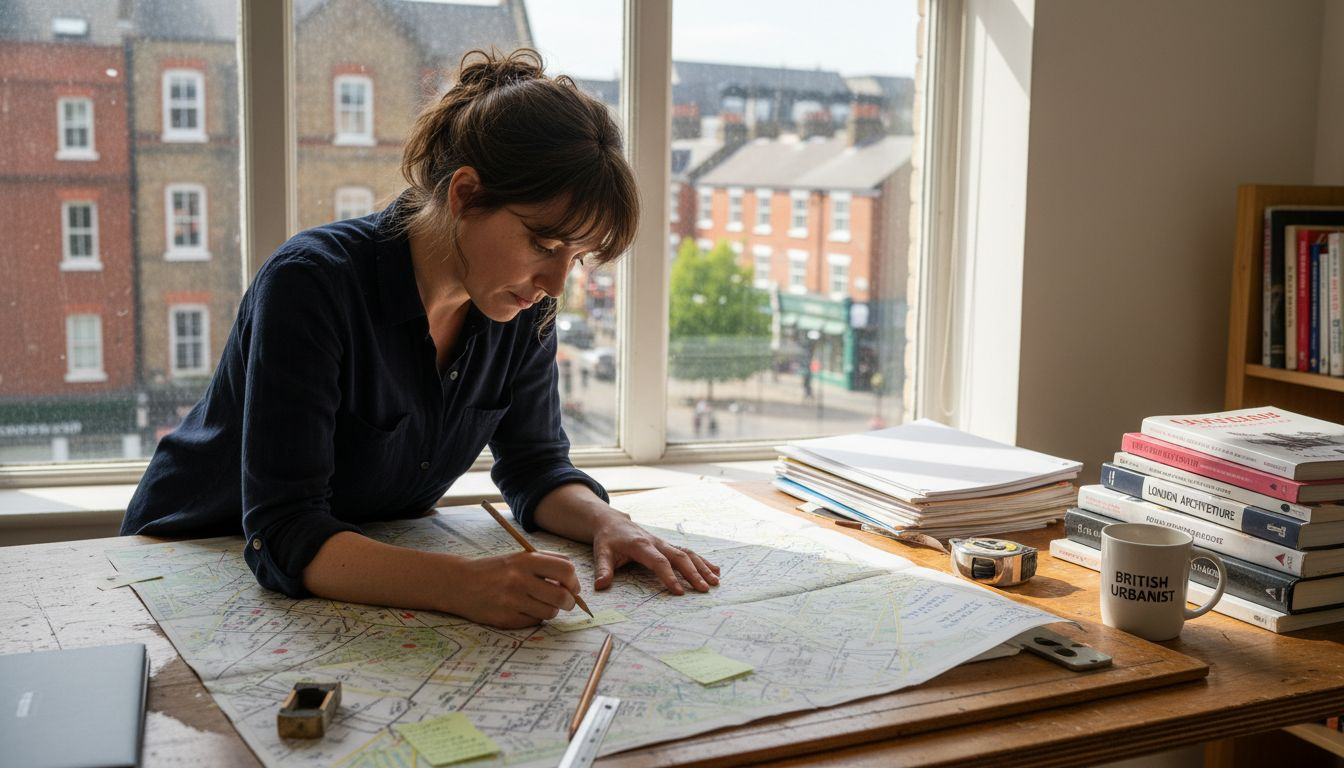
Making your city liveable, healthy, and sustainable often feels like a puzzle with too many pieces. You want spaces that invite people to walk, connect with nature, and enjoy vibrant communities, but it is not always clear where to begin or which choices matter most. Modern urban design offers a range of practical tools and strategies that transform daily life and promote real community benefits.
This guide highlights actionable approaches proven to improve walkability, integrate natural spaces, and build neighbourhoods people truly want to live in. You will discover how thoughtful planning, smart use of technology, and inclusive engagement can tackle common challenges and deliver lasting value.
Keep reading to unlock clear, research-backed methods for turning ambitious urban goals into tangible results in your own projects.
Table of Contents
- 1. Prioritising Walkable Neighbourhoods and Green Spaces
- 2. Integrating Mixed-Use Developments for Vibrant Communities
- 3. Applying Advanced 3D Modelling and Simulation Tools
- 4. Optimising Public Transport Connectivity and Accessibility
- 5. Promoting Sustainable Building Materials and Practices
- 6. Leveraging Community Engagement for Inclusive Planning
Quick Summary
| Takeaway | Explanation |
|---|---|
| 1. Prioritise walkability for urban health | Create pedestrian-friendly designs to enhance public health, reduce car dependency, and promote active lifestyles in urban neighbourhoods. |
| 2. Integrate mixed-use developments for engagement | Combine residential, commercial, and recreational facilities to foster social interaction and community vibrancy, reducing urban sprawl. |
| 3. Use 3D modelling for informed planning | Apply advanced 3D tools to visualise urban designs, simulate scenarios, and make evidence-based decisions before construction starts. |
| 4. Enhance public transport accessibility | Focus on multimodal transport systems and accessibility features to improve movement efficiency and ensure equity among all residents. |
| 5. Engage communities actively in planning | Incorporate diverse community input throughout the planning process to build trust, reflect local needs, and ensure project success. |
1. Prioritising Walkable Neighbourhoods and Green Spaces
Walkable neighbourhoods form the foundation of thriving urban communities. When you design streets and public spaces that encourage people to move on foot rather than by car, you create healthier, more connected neighbourhoods.
Walkability isn’t just about wide pavements and clear pathways. Recent research shows that spatial and functional factors work together to shape how people actually move through urban areas. Both macro factors (like street networks and land use patterns) and micro factors (like shop frontages and street furniture) influence pedestrian behaviour.
Why This Matters for Modern Urban Planning
The benefits of prioritising walkability extend across three key areas:
- Health outcomes: Pedestrian-friendly environments encourage active mobility, reducing car dependency and associated health problems
- Social cohesion: Mixed-use neighbourhoods with vibrant streets increase community interaction and sense of belonging
- Environmental sustainability: Fewer cars mean lower emissions and improved air quality for residents
Great walkable neighbourhoods balance pedestrian needs with nature. Urban greenways and streetscape enhancements create peaceful environments where people genuinely want to spend time. This integration of natural spaces with pedestrian infrastructure transforms how communities function.
Practical Steps for Implementation
You can strengthen walkability in your urban design projects through concrete actions:
- Reduce block sizes to create shorter walking distances between destinations
- Plant street trees that provide shade, beauty, and environmental benefits
- Widen pavements and remove barriers that impede pedestrian flow
- Position retail and services at street level to create engaging streetscapes
- Ensure safe, well-marked crossing points at regular intervals
Walkable neighbourhoods with integrated green spaces don’t just improve quality of life—they reshape how cities function at every scale.
When designing your next project, consider how 3D urban development tools can visualise these pedestrian-focused strategies before implementation.
Pro tip: Conduct pedestrian movement audits at different times of day to understand actual usage patterns before redesigning streets—what works for morning commuters may differ significantly from weekend users.
2. Integrating Mixed-Use Developments for Vibrant Communities
Mixed-use developments represent a powerful antidote to urban sprawl and monotonous neighbourhoods. By combining residential, commercial, and recreational spaces within a single development, you create environments where people can live, work, shop, and socialise without excessive travel.
These developments do far more than provide convenience. Mixed-use projects address urban revitalisation by fostering economic growth, creating jobs, and strengthening social cohesion across diverse communities.
Why Integration Matters
The synergy between different uses creates genuine vibrancy. When you place apartments above shops and offices near parks, you generate foot traffic throughout the day and evening. This constant activity deters decline and encourages business success across all sectors.
Successful mixed-use developments require careful balance. You need to assess community benefits, environmental performance, architectural design quality, and financial viability simultaneously. Using structured decision-making frameworks helps planners evaluate these competing priorities fairly.
Key Components to Include
When designing your mixed-use project, prioritise these elements:
- Residential units at various price points to ensure economic diversity
- Retail and service spaces at street level that activate pavements
- Office or workspace that attracts professionals and entrepreneurs
- Public parks or plazas where people naturally gather and interact
- Connectivity through walkable streets and public transport links
- Green building standards for environmental sustainability
The neighbourhood becomes a complete ecosystem where residents don’t need to drive constantly for daily needs. This reduces traffic congestion, improves air quality, and creates more liveable places.
Mixed-use developments succeed when you design them as integrated communities, not as separate functions stacked vertically.
Consider how best practices in urban design can inform your approach to balancing these diverse functions effectively.
Pro tip: Engage residents early in the design process through surveys and workshops—their input on which mix of uses (shops, offices, restaurants, entertainment) they actually need ensures your development thrives rather than featuring empty storefronts or vacant offices.
3. Applying Advanced 3D Modelling and Simulation Tools
3D modelling and simulation have transformed how urban planners approach design challenges. Rather than relying on 2D drawings and intuition, you can now visualise entire city districts, test different scenarios, and predict outcomes before construction begins.
These tools do something remarkable. They combine geometric data with semantic information to create rich digital twins of urban environments that support detailed analysis and sustainable planning decisions. When you build a 3D model following standards like CityGML, you create a foundation for solar radiation analysis, energy simulation, and disaster management.
What 3D Modelling Actually Enables
You gain concrete capabilities that were impossible just years ago. 3D tools let you visualise and optimise city layouts, analyse how people and vehicles move through spaces, and design infrastructure systems that actually work. The real power emerges when you simulate future urban dynamics to understand how cities will change.
Simulation allows you to answer critical questions before decisions are locked in:
- How will traffic patterns shift if you add new transit routes?
- Which neighbourhoods will experience growth pressures?
- Where should emergency services be positioned for maximum response coverage?
- How do proposed buildings affect wind flow and microclimates?
- Will parking supply match actual demand?
Practical Implementation Steps
Start by gathering your base data. You need accurate building geometries, street networks, and land use information. Many cities now have this data publicly available or through government agencies.
Next, choose appropriate modelling software that matches your project scope and budget. Some tools specialise in different applications, from traffic analysis to environmental impact assessment. 3D modelling workflows support efficient planning when you integrate them into your design process systematically.
Then run simulations to test your scenarios. Each scenario reveals different outcomes, allowing you to compare options objectively rather than relying on assumptions.
3D models transform planning from guesswork into evidence-based decision-making that stakeholders can visualise and understand.
The data from your simulations becomes powerful communication tools. Showing residents, councillors, and investors what a proposal will actually look like builds confidence and support.
Pro tip: Start your 3D modelling project with a clearly defined question you need answered (traffic capacity, sight lines, shadow impact), rather than building everything at once—focused modelling gets faster results and keeps your project manageable.
4. Optimising Public Transport Connectivity and Accessibility
Public transport systems form the circulatory system of modern cities. When you optimise connectivity and accessibility, you enable people to move freely, reduce car dependency, and create more equitable urban environments where everyone can access jobs, services, and opportunities.
Traditional transport planning often relies on forecasts and assumptions about future behaviour. A more effective approach is Triple Access Planning (TAP), which considers spatial proximity, physical mobility, and digital connectivity together to create vision-led strategies that actually work. This shift from forecast-driven to flexible, future-oriented planning transforms how cities build resilient transit networks.
Building Multimodal Systems
Successful public transport requires integration across multiple modes. You need buses, trains, cycling infrastructure, and shared mobility options working together seamlessly. When these systems connect well, people experience genuine choice rather than fragmented options.
Optimising transit networks through data integration means using real-time data, coordinated governance, and adaptive infrastructure. Cities like Tokyo and Singapore demonstrate that this approach reduces congestion, minimises environmental impact, and enhances accessibility significantly.
Key Elements to Address
When designing your public transport strategy, focus on these critical factors:
- Walking distances to transit stations (typically under 400 metres for urban areas)
- Service frequency that encourages transit use without long waits
- Physical accessibility for people with mobility challenges, pushchairs, and luggage
- Digital connectivity through apps, real-time tracking, and payment integration
- Interchange quality between different modes and routes
- Affordability that doesn’t exclude lower-income residents
These elements work together to create accessibility that extends beyond geography to include all residents regardless of age, ability, or income.
Truly accessible public transport systems treat connectivity as a social equity issue, not just an engineering problem.
Your transport strategy should evolve as the city changes. Build flexibility into infrastructure and governance so you can adapt to shifting travel patterns and emerging technologies.
Pro tip: Conduct accessibility audits from the perspective of elderly residents, wheelchair users, and parents with pushchairs—these groups reveal accessibility gaps that typical planning misses, and addressing their needs benefits everyone.
5. Promoting Sustainable Building Materials and Practices
Sustainable building materials and practices form the backbone of environmentally responsible urban development. When you choose low-carbon, recyclable, and bio-based materials integrated with smart technologies, you create buildings that perform better whilst reducing environmental harm throughout their entire lifecycle.
The shift toward sustainability isn’t just about using green materials. Modern approaches combine eco-friendly building practices with circular economy principles that keep resources in use longer and minimise waste. Latest sustainable materials focus on low-carbon production whilst enhancing durability, which means buildings last longer and require fewer replacements over time.
What Sustainable Practices Actually Deliver
When you integrate sustainable building methods into urban design, the benefits cascade across multiple dimensions. You reduce environmental impact directly through lower energy consumption and improved air and water quality. Communities gain resilience through enhanced building performance and adaptation capacity.
Residents experience genuine quality-of-life improvements through:
- Better air quality from reduced emissions and pollution
- Improved energy efficiency that lowers utility costs for occupants
- Enhanced comfort through superior building design and materials
- Social equity built into development through inclusive, sustainable planning
- Vibrant, walkable neighbourhoods designed around people rather than cars
These outcomes aren’t theoretical. Case studies worldwide demonstrate that sustainable urban design improves community health, strengthens social bonds, and creates places where people genuinely want to live.
Practical Implementation Approaches
Start by specifying materials with proven environmental credentials. Look for recycled content, renewable sources, and certifications demonstrating lower carbon footprints. When sourcing materials, consider local suppliers to reduce transportation impacts.
Integrate smart infrastructure using IoT and AI to optimise building performance. Sensors monitor energy use, water consumption, and indoor air quality, allowing continuous improvement. Renewable energy systems like solar panels and heat recovery become more effective when paired with smart controls.
Design for durability and adaptability so buildings remain useful for decades rather than becoming obsolete. This extends lifespan, reduces demolition waste, and delivers better value over time.
Sustainable buildings aren’t more expensive over their lifetime—they cost less whilst providing healthier environments and protecting the planet.
When planning collaborative projects, sustainable urban design requires coordinated stakeholder engagement across developers, architects, residents, and local authorities.
Pro tip: Conduct life-cycle cost analyses comparing sustainable versus conventional building approaches—showing decision-makers the long-term financial benefits of sustainable choices often overcomes initial cost objections and builds stakeholder buy-in.
6. Leveraging Community Engagement for Inclusive Planning
Community engagement transforms urban planning from a top-down process into genuine collaboration. When you actively involve residents, local organisations, and stakeholders in planning decisions, you create cities that reflect what people actually need rather than what planners assume they want.
Effective engagement does something powerful. It integrates local knowledge and diverse perspectives into urban design, creating socially equitable and resilient environments where communities feel genuine ownership. Community engagement drives innovation through collaboration between citizens, government, and other stakeholders, enabling co-creation of urban services that truly serve local needs.
Why Engagement Matters at Every Stage
Engagement isn’t a box to tick at project start. You need ongoing dialogue throughout planning, design, and implementation. Early engagement helps identify priorities and concerns before major decisions are made. Mid-project engagement allows course correction based on real feedback.
Different engagement approaches work for different contexts and communities:
- Passive consultation through surveys and public notices (limited but accessible)
- Active participation through workshops, focus groups, and design charettes
- Co-design approaches where residents shape proposals alongside professionals
- Citizen empowerment giving communities real decision-making authority
Each approach serves a purpose. Combining multiple methods ensures you reach diverse populations and capture varied perspectives, not just voices from those who attend meetings.
Building Inclusive Participation
True inclusion means reaching beyond the usual suspects. Schedule meetings at times and locations convenient for working families. Provide childcare and transport support. Translate materials and offer interpretation services. Create informal discussion spaces alongside formal consultations.
Digital participation tools and collaboration platforms can expand access, allowing people to contribute online when attending meetings isn’t feasible. Visual techniques like 3D models help residents visualise proposals and provide meaningful feedback.
Focus on building trust through transparency. Share how community input influenced decisions. When feedback isn’t incorporated, explain why honestly. This honesty sustains engagement through multiple projects.
Communities that shape their own cities develop stronger bonds, increased civic participation, and ownership of outcomes that extends far beyond the planning process.
Diverse voices don’t create conflict—they improve planning outcomes by revealing blind spots and identifying solutions professionals might miss.
Pro tip: Start community engagement earlier than you think necessary and maintain it longer than typical timelines—sustained dialogue builds relationships and trust that transform scepticism into genuine partnership and project success.
Below is a comprehensive table summarising the guiding principles, strategies, and considerations discussed throughout the article on enhancing modern urban planning through integration of walkability, green spaces, mixed-use developments, advanced tools, public transport, sustainable practices, and community engagement.
| Aspect | Key Points | Considerations |
|---|---|---|
| Walkability and Green Spaces | Encourages active mobility, reduces emissions, increases community interaction. | Wider pavements, greenways, mixed-use streetscapes. |
| Mixed-Use Developments | Combines residential, commercial, and recreational spaces for convenience. | Economic diversity, connectivity, and public gathering spaces. |
| 3D Modelling Tools | Enables detailed simulation and sustainable decision-making before implementation. | Accurate data collection, specific modelling objectives. |
| Public Transport Optimisation | Supports multimodal connectivity for equitable access. | Real-time data integration, frequency, and physical accessibility. |
| Sustainability in Building | Uses recyclable and low-carbon materials for resilient designs. | Life-cycle cost analysis, reliance on renewable and efficient technologies. |
| Community Engagement | Aligns urban designs with community-specific needs. | Inclusive consultations using digital tools and transparency measures. |
Elevate Your Urban Design with Cutting-Edge 3D Planning Tools
Modern urban planners face complex challenges such as enhancing walkability, integrating mixed-use developments, and optimising public transport connectivity while embracing sustainability and inclusive community engagement. These goals require precise visualisation and data-driven decision-making to transform concepts like pedestrian-friendly neighbourhoods and sustainable building practices into successful projects.
Unlock the power of advanced 3D modelling and simulation at 3dcityplanner.com. Our platform offers intuitive tools for automatic building generation, line-of-sight visualisations and noise simulation so you can test scenarios and validate designs before construction begins. With integrated real-time 4D planning, you streamline collaboration among stakeholders and adapt your urban projects dynamically.
Ready to design vibrant, walkable, and sustainable communities that truly meet modern needs Try 3dcityplanner.com now to visualise, analyse and optimise your urban environments with ease. Experience our free trial and see how data-driven planning elevates your projects from vision to reality.
Explore more about data-driven urban planning to start transforming cityscapes confidently today.
Frequently Asked Questions
What are the key components of walkable neighbourhoods?
Walkable neighbourhoods are designed with short distances between destinations, wide pavements, and integrated green spaces. To enhance walkability, aim to reduce block sizes and include tree-lined streets for shade and aesthetics.
How can community engagement improve urban design projects?
Community engagement fosters collaboration and ensures that urban designs reflect the needs of residents. Start by incorporating public workshops and surveys early in the design phase to gather valuable input and build trust among stakeholders.
What practices promote sustainable building in urban design?
Sustainable building practices include using low-carbon materials and smart technologies that enhance energy efficiency. Specify materials with proven environmental credentials and integrate renewable energy systems in your projects to reduce long-term operational costs.
How can advanced 3D modelling tools enhance urban planning?
3D modelling tools allow urban planners to visualise designs and test different scenarios effectively. Begin by gathering accurate base data to create models that simulate various urban dynamics and assess the impact of proposed developments before they are built.
What strategies improve public transport accessibility in cities?
Improving public transport accessibility involves optimising service frequency, ensuring walking distances to stations are short, and integrating digital connectivity. Conduct accessibility audits regularly, especially from the perspective of diverse user groups, to identify and address gaps in the transport network.
How do mixed-use developments contribute to vibrant communities?
Mixed-use developments encourage live-work-play environments, fostering economic growth and social cohesion. Focus on designing spaces that include residential, retail, and recreational facilities to stimulate foot traffic and community interaction.