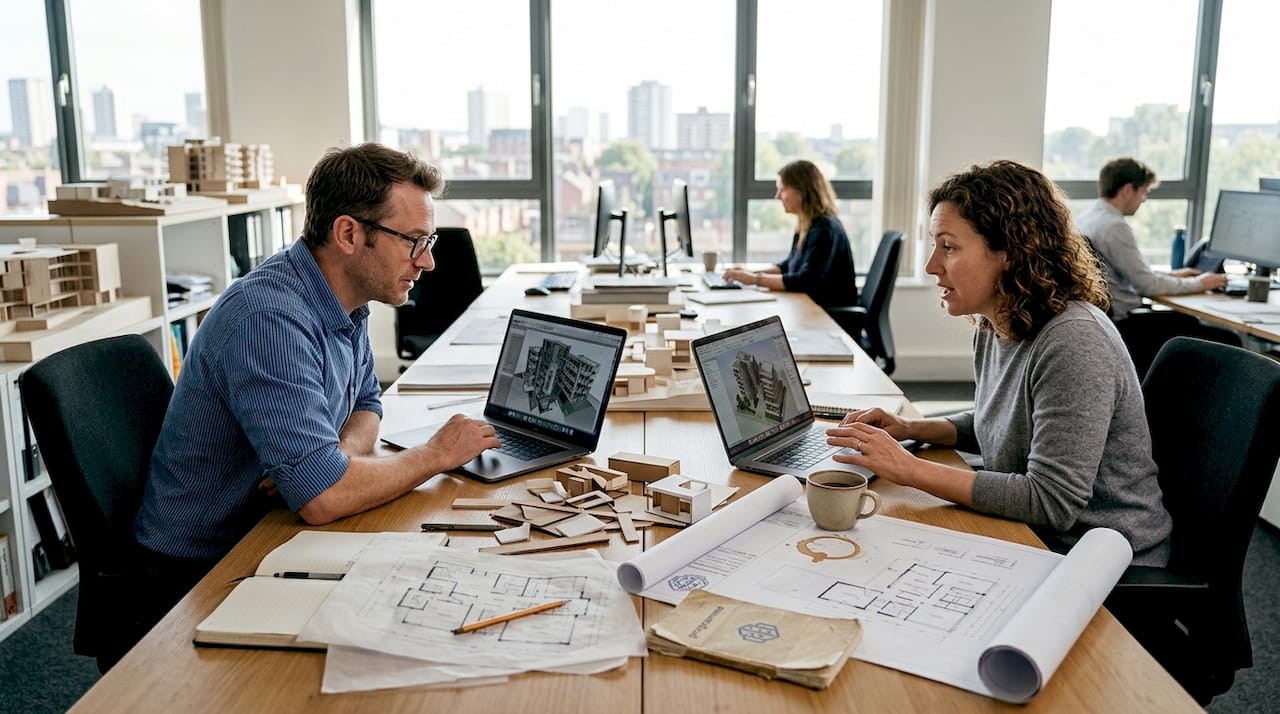
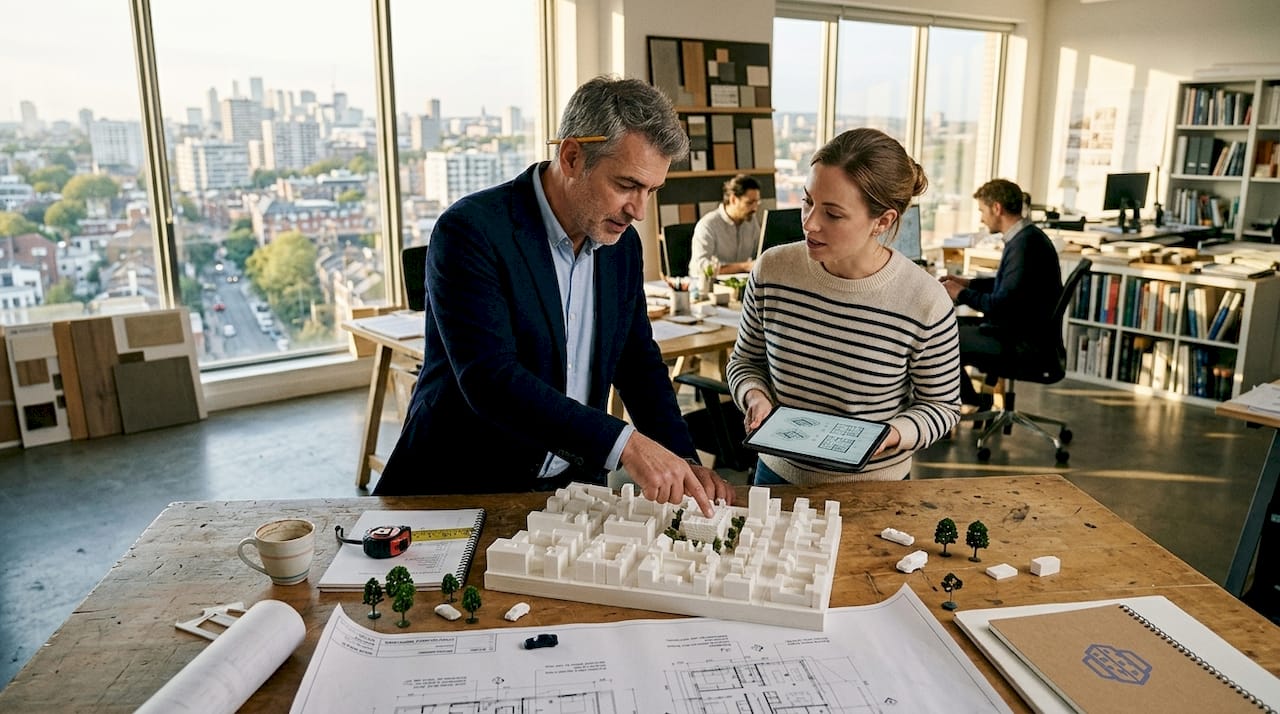
Master 4D planning in urban design for 25% faster projects

Many urban planners mistakenly view 4D planning as mere 3D models with time labels. This misconception prevents them from tapping into powerful predictive and optimisation tools that reshape project delivery. Survey data shows 40% of urban planners lack full understanding of 4D BIM capabilities. This guide clarifies 4D planning fundamentals, practical tools, measurable benefits, and proven adoption strategies to help you transform your urban design workflow.
Table of Contents
- Introduction To 4D Planning In Urban Design
- Technical Foundations And Tools Supporting 4D Planning
- Benefits Of 4D Planning In Urban Projects
- Common Misconceptions About 4D Planning
- Case Studies Demonstrating 4D Planning Impact
- Methodologies And Frameworks For Implementing 4D Planning
- Challenges In 4D Planning And How To Overcome Them
- Conclusion And Next Steps For Urban Planners
- Explore 3D Cityplanner For Advanced 4D Urban Design
Key takeaways
| Point | Details |
|---|---|
| 4D planning integrates time with 3D models | Enables dynamic visualisation and accurate scheduling for complex urban projects. |
| Leading tools support automation and AI predictions | Platforms offer real-time collaboration, scenario testing, and predictive analytics. |
| Proven benefits include fewer delays and better coordination | Projects see up to 30% reduction in scheduling conflicts and 25% improved stakeholder satisfaction. |
| Common misconceptions limit adoption | Many professionals underestimate capabilities beyond simple timeline visualisation. |
| Successful implementation requires strategic planning | Address interoperability challenges, invest in training, and adopt lean frameworks. |
Introduction to 4D planning in urban design
4D planning combines 3D spatial models with a time dimension, creating dynamic project scheduling that goes far beyond static blueprints. This approach enhances visualisation, sequencing accuracy, and phasing forecasts in urban design. You gain the ability to simulate construction phases, identify conflicts before they occur, and adjust timelines in real time.
Adoption is growing but remains underutilised. Many practitioners mistakenly believe 4D planning is just 3D modelling with time labels, underestimating its predictive and optimisation capabilities. Technical barriers and limited awareness slow wider implementation despite clear advantages.
To fully grasp 4D planning, you need foundational knowledge in BIM, digital modelling, and project scheduling. These prerequisites ensure you can interpret spatial data, understand temporal dependencies, and leverage software tools effectively.
Critical prerequisites include:
- Building Information Modelling fundamentals
- Digital 3D modelling techniques
- Project scheduling principles
- Data integration concepts
- Collaborative workflow practices
Understanding these basics positions you to exploit 4D planning’s full potential, transforming how you approach urban development projects from conception through completion.
Technical foundations and tools supporting 4D planning
4D BIM merges 3D spatial geometry with scheduling data, simulating project progression through time. This integration allows you to visualise construction sequences, test alternative scenarios, and predict outcomes before committing resources.
Leading platforms include user-friendly solutions like 3D Cityplanner, which offers automated timelines and seamless data integration. Other Autodesk urban planning software options provide robust 4D capabilities. When selecting tools, consider how they fit within your existing ecosystem.
Key features distinguish effective 4D platforms. Scenario adjustment capabilities let you model different construction approaches instantly. Integration with BIM and GIS ensures data flows smoothly across systems. Real-time collaboration tools keep teams synchronised. AI-driven prediction identifies potential delays before they materialise.
Comparative analysis shows 4D BIM tools differ in ease of use, integration capabilities, and support for lean construction. The right choice depends on your specific project requirements and team expertise.
| Feature | 3D Cityplanner | Traditional 4D Software | Manual Scheduling |
|---|---|---|---|
| Ease of use | High | Medium | Low |
| Automated timelines | Yes | Limited | No |
| BIM/GIS integration | Seamless | Varies | Manual |
| Real-time collaboration | Built-in | Add-on | Separate tools |
| AI predictions | Yes | Emerging | No |
| Learning curve | Short | Moderate | Long |
Essential tool capabilities:
- Automatic phase sequencing
- Clash detection across time
- Resource allocation forecasting
- Progress tracking visualisation
- Stakeholder presentation modes
Pro Tip: Evaluate software based on interoperability with your current systems and available training resources rather than feature lists alone.
Explore comprehensive urban planning software guide options to identify solutions matching your workflow. Consider urban planning tools for experts that integrate smoothly with your existing processes. Modern platforms increasingly incorporate AI in urban design collaboration to enhance team coordination.
Benefits of 4D planning in urban projects
4D planning delivers measurable improvements across project phases. You reduce scheduling conflicts through proactive temporal modelling that identifies clashes before they impact timelines. Teams coordinate more effectively when everyone views the same dynamic visualisation.
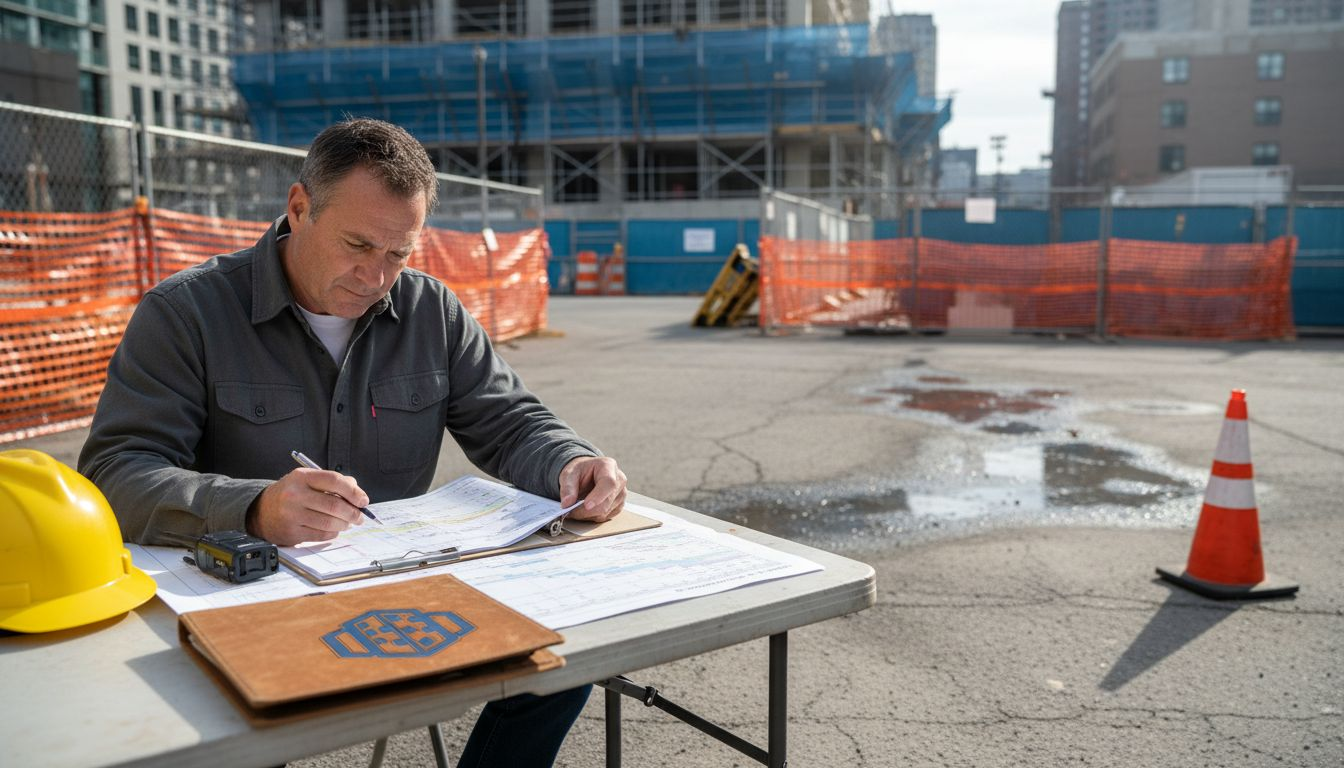
Transparency increases dramatically. Incorporating 4D spatial-temporal models increases transparency and comprehensibility among stakeholders, improving acceptance and collaboration by 25%. Decision makers grasp complex sequencing instantly rather than interpreting static Gantt charts.
Sustainable development benefits from clear phasing visualisation. You model environmental impacts across construction stages, optimise resource deployment, and demonstrate sustainability commitments to regulatory bodies. This capability proves especially valuable when balancing development pressure with community concerns.
Tangible advantages include:
- Reduced project delays through early conflict detection
- Enhanced multi-team coordination via shared visualisations
- Improved stakeholder buy-in from intuitive presentations
- Better resource allocation through predictive analytics
- Stronger regulatory compliance documentation
Digital urban planning approaches incorporating 4D capabilities transform traditional workflows. Teams make faster decisions with higher confidence. Budget overruns decrease as scheduling becomes more accurate.
“4D planning changed how we communicate with clients. They see exactly what happens when, eliminating weeks of back-and-forth discussions.”
The financial case strengthens when you calculate avoided delays, reduced coordination meetings, and faster approval cycles. Projects complete on schedule more consistently, protecting profit margins and professional reputations.
Common misconceptions about 4D planning
Several persistent myths prevent professionals from adopting 4D planning despite its advantages. Addressing these misconceptions directly helps you make informed decisions about implementation.
Misconception 1: 4D planning simply adds time labels to 3D models
Reality reveals far greater sophistication. 4D planning enables predictive analysis, workflow optimisation, and automated conflict detection. 40% of urban planners misunderstand 4D planning’s capabilities, seeing it as simple 3D with time labels. The technology actually forecasts outcomes, suggests optimisations, and adapts dynamically to changes.
Misconception 2: 4D only serves construction scheduling needs
The truth encompasses broader applications. 4D planning improves stakeholder collaboration across design, approval, and delivery phases. It supports sustainable planning goals by modelling long-term impacts. Urban designers use 4D to demonstrate community benefits, test density scenarios, and coordinate infrastructure phasing.
Misconception 3: Implementation requires massive investment
Modern platforms offer scalable pricing and quick deployment. Cloud-based solutions eliminate heavy infrastructure costs. Training time has decreased as interfaces become more intuitive.
Misconception 4: Learning curve prevents practical adoption
User-friendly platforms now reduce onboarding time significantly. Teams familiar with basic BIM concepts transition smoothly. Many professionals achieve productive use within weeks rather than months.
Pro Tip: Invest in targeted training that explores unique 4D capabilities through hands-on projects rather than relying on assumptions from traditional modelling experience.
Understanding the urban planning workflow explained helps clarify where 4D planning fits naturally. Don’t let outdated perceptions prevent you from exploring tools that could transform your project outcomes.
Case studies demonstrating 4D planning impact
Real-world implementations prove 4D planning’s value across diverse urban projects. These examples show measurable improvements in delivery speed, stakeholder satisfaction, and coordination quality.
Modular construction projects provide compelling evidence. Modular construction projects reduced delays by up to 30% using 4D BIM, while urban densification initiatives saw 25% improved stakeholder satisfaction. Factory prefabrication coordinated with on-site assembly through precise temporal modelling eliminated traditional scheduling conflicts.
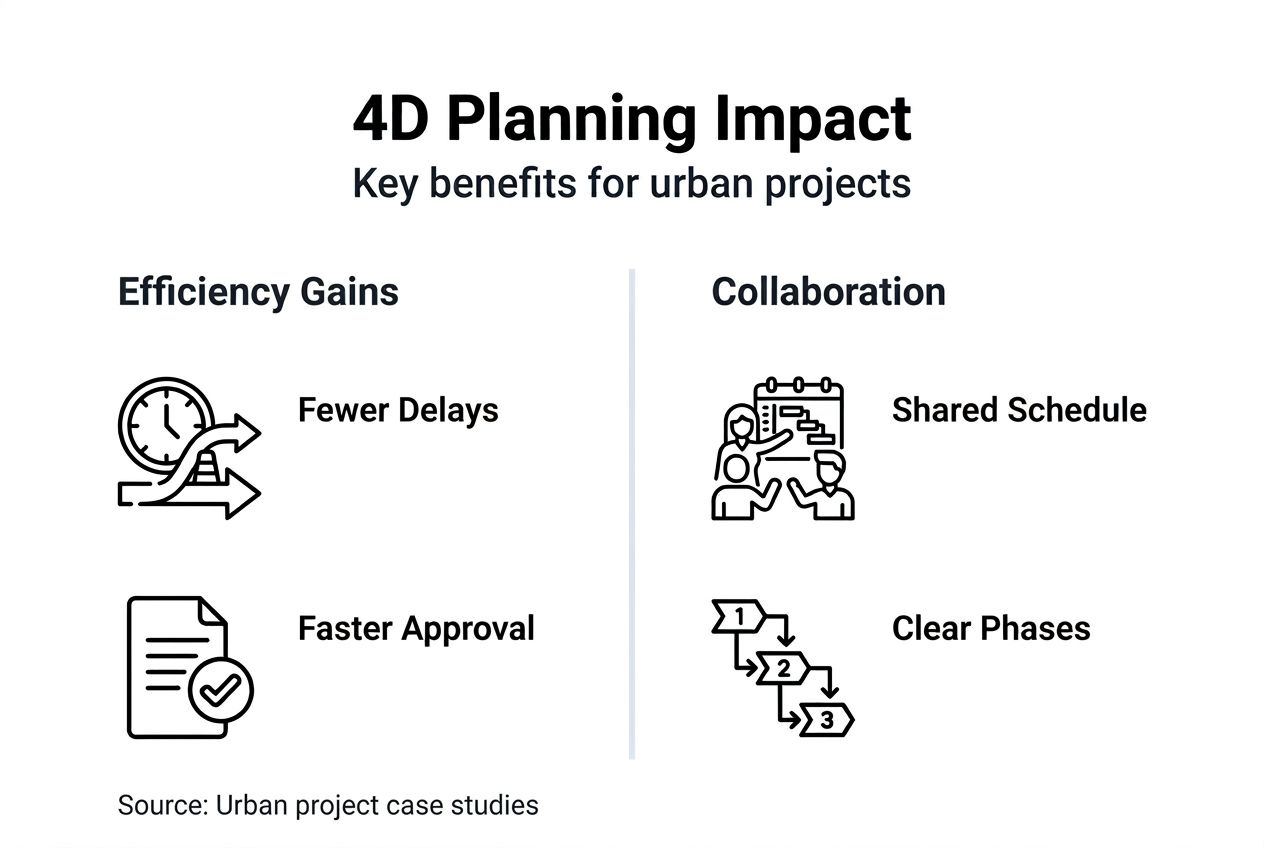
Urban densification schemes benefit particularly from transparent visualisation. Government agencies gained community support by demonstrating phased development impacts through interactive 4D models. Residents understood how projects would evolve, reducing opposition and accelerating approvals.
Projects incorporating lean methodology with 4D planning achieved workflow optimisation beyond scheduling improvements. Teams identified waste, streamlined processes, and coordinated trades more effectively. The combination of lean principles and temporal visualisation created synergistic benefits.
Notable implementation results:
- Mixed-use development: 28% faster approval process through stakeholder visualisation
- Infrastructure upgrade: 32% reduction in coordination meetings via shared 4D models
- Transit-oriented development: 25% improved community acceptance from phasing clarity
- Heritage district renovation: 35% fewer on-site conflicts through pre-construction simulation
These outcomes span planning, design, approval, and construction phases. Benefits accumulate as teams become more proficient with 4D tools and processes. Early adopters report continuing improvements as workflows mature and stakeholders expect 4D communication.
Methodologies and frameworks for implementing 4D planning
Successful adoption requires structured approaches rather than ad hoc experimentation. Follow proven frameworks to maximise benefits while minimising disruption.
Stepwise adoption process:
- Define project scope and phases aligned with urban objectives
- Select interoperable software matching your technical ecosystem
- Train core team members on platform capabilities
- Develop pilot project to test workflows
- Gather feedback and refine processes
- Scale adoption across additional projects
- Establish continuous improvement practices
Software selection drives implementation success. Choose platforms offering seamless integration with existing BIM and GIS systems. Interoperability prevents data silos and manual re-entry that undermine efficiency gains.
Apply lean methodology alongside 4D planning for compound benefits. Lean principles identify waste, while 4D visualisation exposes timing inefficiencies. AI-driven predictive capabilities enhance this combination by forecasting delays and suggesting optimisations automatically.
Stakeholder engagement transforms from presentation to collaboration. Interactive 4D visualisations invite feedback during planning phases rather than after decisions solidify. This approach builds consensus, reduces late changes, and improves project outcomes.
Critical implementation elements:
- Data standardisation across teams and systems
- Clear communication protocols for 4D model updates
- Regular synchronisation between schedule and spatial data
- Defined approval workflows for scenario changes
- Documentation practices capturing decisions and rationale
Pro Tip: Prioritise automation and data integration to eliminate manual errors and enhance efficiency rather than recreating existing processes digitally.
Explore city planning best practices incorporating 4D methodologies. Review detailed urban planning workflow explained guidance to structure your implementation approach effectively.
Challenges in 4D planning and how to overcome them
Despite clear advantages, adoption barriers persist. Understanding common challenges and proven solutions helps you navigate implementation successfully.
Barrier: Complex software requiring specialised technical knowledge
Many professionals perceive 4D platforms as intimidating. Technical complexity, software interoperability, and training gaps remain key barriers in 4D BIM adoption. Solution: Select user-friendly platforms with intuitive interfaces and invest in comprehensive training programmes. Start with simplified projects to build confidence before tackling complex developments.
Barrier: Interoperability issues fragmenting workflows
Data exchange between BIM, GIS, and scheduling tools often fails, creating duplicate work. Solution: Choose software supporting open data standards like IFC and CityGML. Test integrations thoroughly during evaluation. Prioritise platforms with proven track records in your specific technology stack.
Barrier: Limited awareness slowing organisational buy-in
Decision makers unfamiliar with 4D capabilities hesitate to invest resources. Solution: Demonstrate value through pilot projects and concrete case studies. Calculate return on investment including avoided delays, reduced coordination costs, and faster approvals. Present results to stakeholders in business terms rather than technical specifications.
Additional common obstacles:
- Insufficient change management during adoption
- Resistance from teams comfortable with traditional methods
- Unclear responsibility for maintaining 4D models
- Inadequate hardware for smooth visualisation
- Limited vendor support during implementation
Address these systematically rather than hoping they resolve naturally. Successful adopters treat 4D implementation as organisational change requiring leadership support, clear communication, and patience as teams adjust.
Consider urban design workflow guide 2026 recommendations for streamlining adoption. Structure your approach to minimise disruption while maximising learning opportunities.
Conclusion and next steps for urban planners
4D planning transforms urban design by combining spatial and temporal modelling for superior project outcomes. You gain tools to reduce delays, enhance collaboration, and support sustainable development goals. The evidence demonstrates measurable improvements across diverse project types.
Begin by exploring user-friendly 4D platforms matching your technical environment. Apply stepwise adoption frameworks rather than attempting wholesale transformation immediately. Focus on interoperability, training quality, and stakeholder engagement as critical success factors.
Recommended actions:
- Evaluate 4D software options against your specific requirements
- Identify pilot projects suited for initial implementation
- Invest in team training emphasising practical application
- Establish clear workflows for maintaining 4D models
- Measure results and refine processes continuously
Continued learning and stakeholder engagement remain vital throughout adoption. Share successes within your organisation to build momentum. Document lessons learned to accelerate subsequent implementations.
Embrace 4D planning now to future-proof your urban design projects. The competitive advantage grows as clients and regulatory bodies increasingly expect temporal visualisation and predictive capabilities.
Explore 3D Cityplanner for advanced 4D urban design
Ready to apply these 4D planning concepts to your projects? 3D Cityplanner offers an intuitive platform with automated 4D timelines, global building data integration, and real-time scenario analysis. You can test construction sequences, coordinate teams seamlessly, and present compelling visualisations to stakeholders.
The platform suits urban planners, architects, and developers aiming to enhance project efficiency through advanced digital tools. Leverage interactive urban development capabilities for sustainable planning. Explore comprehensive city planning tools designed for professional workflows.
Visit 3dcityplanner.com to discover how automated 4D planning transforms your urban design process. Start with a trial to experience the difference temporal modelling makes in project coordination and stakeholder communication.
FAQ
What is 4D planning in urban design?
4D planning integrates time data with 3D spatial models to dynamically visualise project schedules. It allows better sequencing, phasing forecasts, and collaboration in urban design projects by simulating construction progression.
Which software tools support 4D planning?
Popular tools include 3D Cityplanner, Autodesk’s 4D BIM solutions, and other platforms integrating BIM and GIS data. Key features often include automated timelines, real-time collaboration, and AI-enhanced scheduling capabilities.
How can 4D planning improve stakeholder collaboration?
By visualising project phases over time in 4D models, stakeholders share clear, common understanding of schedules. 4D spatial-temporal models increase transparency and comprehension, improving collaboration by 25%. Interactive timelines facilitate feedback and coordinated decision-making.
What are common challenges in adopting 4D planning?
Challenges include software complexity, integration issues between platforms, and lack of specialised training. Technical complexity, interoperability and training gaps are key adoption barriers. Solutions involve choosing compatible tools, prioritising user education, and implementing pilot projects to build expertise gradually.
Recommended
- How to Plan City Layouts with 20% Faster Project Completion – 3D Urban Development
- Urban Development Workflow for Efficient 3D Planning – 3D Urban Development
- Urban design workflow guide 2026: cut project time 20% – 3D Urban Development
- 3D Site Planning Step by Step: Boost Approval 40% Faster – 3D Urban Development