City Planning Terminology: Enhancing 3D Collaboration
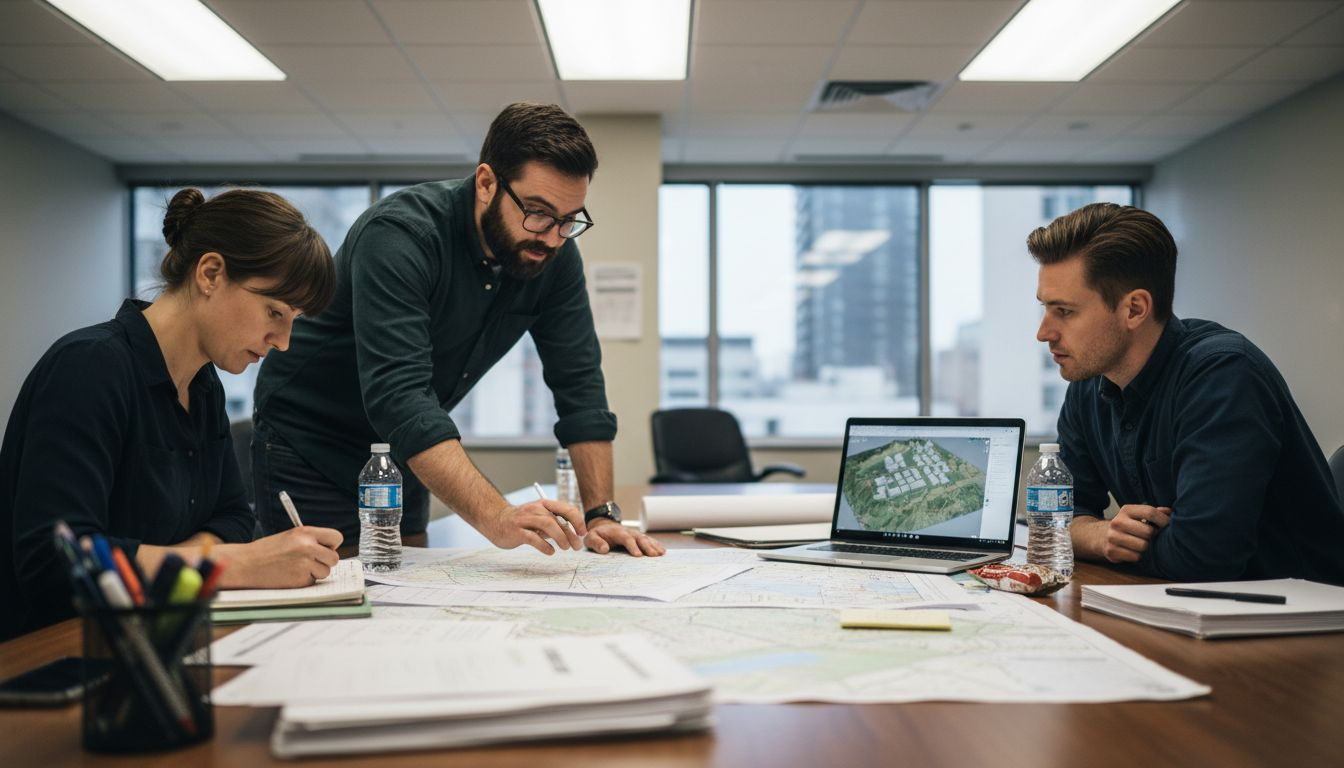
City planning in North American contexts often hinges on clear technical language and agile digital tools. As projects grow more complex, even seasoned professionals face challenges in aligning terminology across disciplines. Mastering contemporary city planning terminology and integrating 3D modelling can dramatically improve communication and stakeholder engagement. This article explores how sharpening your vocabulary and utilising advanced 3D planning platforms can streamline decision-making and strengthen collaboration from concept to completion.
Table of Contents
- Defining City Planning Terminology and Its Scope
- Key Terms in Digital Urban Design
- Types of Planning Tools and Technologies
- Integrating 3D Models Into Urban Projects
- Risks of Misunderstood Terminology in Planning
Key Takeaways
| Point | Details |
|---|---|
| Technological Integration is Crucial | Leverage advanced technologies like Digital Twins and Geospatial Analysis to enhance urban planning precision and decision-making capabilities. |
| Understand Interdisciplinary Frameworks | Recognise the importance of integrating various perspectives and communities in urban planning to ensure strategies meet diverse needs. |
| Simplify Communication | Use clear, accessible terminology to avoid misunderstandings and enhance stakeholder engagement in planning processes. |
| Continuous Learning is Essential | Regularly update skills and knowledge on emerging technologies and interdisciplinary approaches through workshops and resources. |
Defining City Planning Terminology and Its Scope
City planning terminology represents a complex ecosystem of interdisciplinary concepts that guide urban development strategies. Contemporary urban terminology has evolved dramatically, reflecting technological advancements and changing societal needs. Modern urban planners now navigate a sophisticated landscape of digital and physical design paradigms.
The scope of city planning terminology encompasses several critical domains:
- Technological Integration: Digital mapping, 3D modeling, geospatial analysis
- Urban Governance: Policy frameworks, municipal regulations, strategic development
- Spatial Dynamics: Land use classification, infrastructure planning, environmental sustainability
- Socio-Economic Considerations: Community engagement, demographic analysis, economic development strategies
Understanding these terminological frameworks requires recognising the nuanced interactions between technological tools and human-centric urban design principles. Urban planners must synthesise multiple perspectives, balancing technical precision with community needs and long-term sustainability goals.
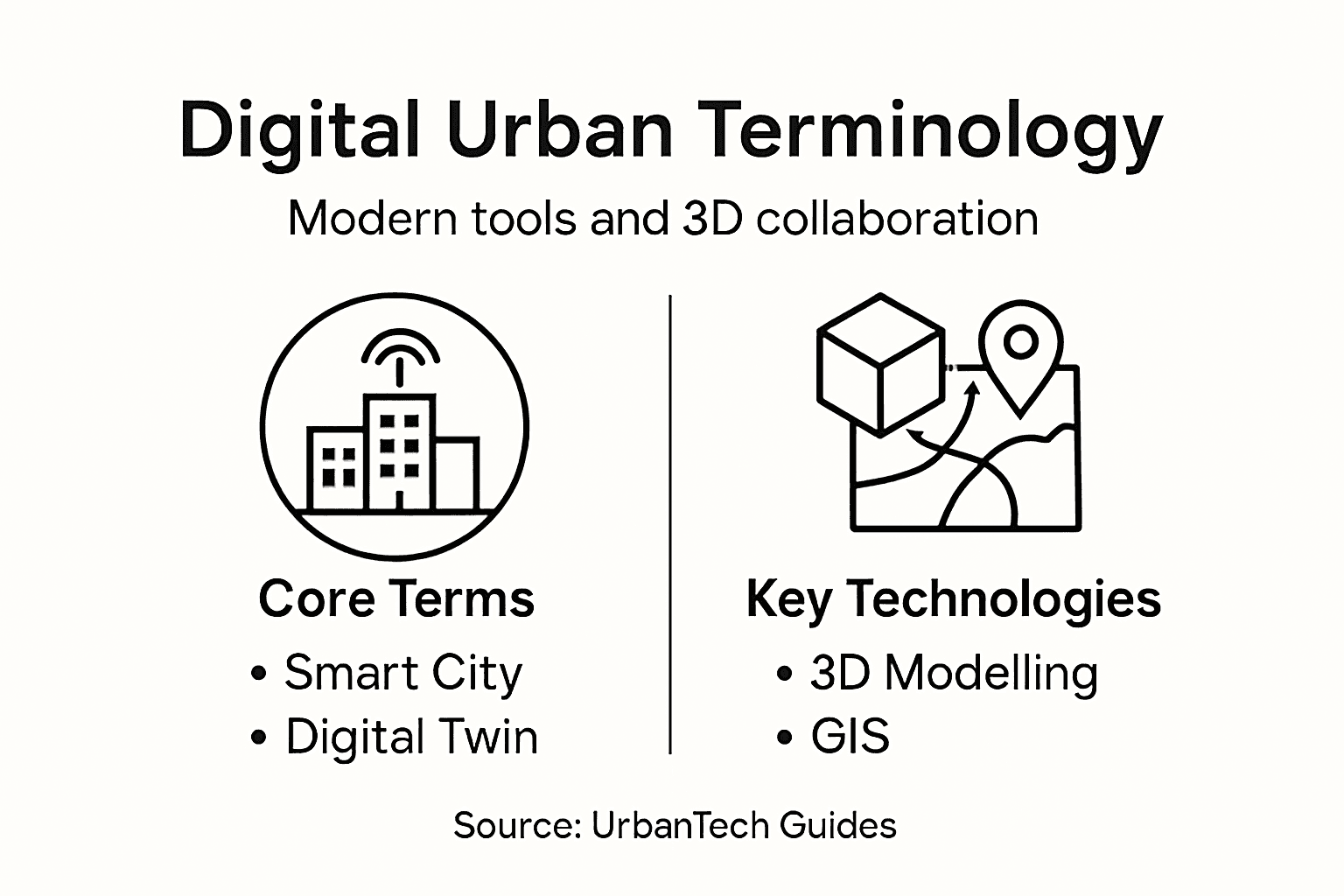
Digital Transformation has fundamentally reshaped city planning terminology, introducing concepts like Smart Cities, Digital Twins, and Urban Informatics. These emerging frameworks represent more than linguistic shifts - they signal profound methodological changes in how professionals conceptualise and implement urban development strategies.
Pro tip: Continuously update your professional vocabulary by engaging with interdisciplinary urban planning resources and emerging technological platforms.
Key Terms in Digital Urban Design
Digital urban design represents a transformative approach to city planning, integrating advanced technologies and sophisticated methodological frameworks. Emerging digital technologies are fundamentally reshaping how urban professionals conceptualise spatial development, bringing unprecedented precision and analytical depth to design processes.
Key terminology in this domain encompasses several critical technological and conceptual categories:
- Geospatial Analysis: Advanced mapping and spatial intelligence technologies
- Predictive Modelling: Algorithmic urban behaviour and infrastructure forecasting
- Digital Twin Technologies: Virtual replicas of physical urban environments
- Participatory Design Platforms: Interactive tools enabling community engagement
- AI-Driven Urban Planning: Machine learning algorithms for strategic development
These technological paradigms represent more than mere computational tools. They signify a fundamental shift in how urban designers understand, visualise, and interact with complex spatial systems. Modern urban design increasingly relies on interdisciplinary approaches that blend technological innovation with human-centric design principles.
Digital Urban Design has evolved to address multifaceted challenges, integrating sophisticated computational methods with nuanced understanding of social, environmental, and economic dynamics. The integration of artificial intelligence, data analytics, and collaborative platforms enables more responsive, adaptive urban development strategies that can anticipate and address emerging urban challenges.
Pro tip: Develop a comprehensive understanding of digital urban design terminology by regularly participating in interdisciplinary workshops and exploring cutting-edge technological platforms.
Types of Planning Tools and Technologies
Urban planning technologies have undergone remarkable transformation, with sophisticated Planning Support Systems revolutionising how professionals approach complex spatial challenges. These technological frameworks enable unprecedented levels of analytical precision and collaborative design across multidisciplinary urban development contexts.
The primary categories of planning tools and technologies include:
- Geospatial Mapping Tools: Advanced geographic information system (GIS) platforms
- Simulation Technologies: Digital environment modelling and predictive analytics
- Collaborative Platforms: Integrated communication and design sharing systems
- Machine Learning Algorithms: Automated spatial pattern recognition and forecasting
- 3D Visualisation Software: Immersive urban design and scenario planning tools
Each technological category represents a critical component in modern urban planning strategies. Computational Tools have transformed traditional design methodologies, enabling planners to generate more nuanced, data-driven insights into urban development potential. These technologies transcend mere visualisation, offering powerful analytical capabilities that support complex decision-making processes.
The evolution of planning technologies reflects a broader shift towards integrated, intelligent urban design approaches. Modern tools increasingly combine spatial analysis, predictive modelling, and collaborative features, creating comprehensive platforms that bridge technological innovation with human-centred design principles. By leveraging these advanced technologies, urban planners can develop more responsive, sustainable, and adaptable urban environments.
Here is a summary of how digital technologies are transforming urban planning strategies:
| Technology | Application in Urban Planning | Main Benefit |
|---|---|---|
| Digital Twins | Real-time urban scenario simulation | Enables predictive decision-making |
| Geospatial Mapping | Accurate spatial data analysis | Improves planning precision |
| AI Algorithms | Automated pattern recognition | Facilitates data-driven strategies |
| 3D Modelling | Immersive design visualisation | Enhances stakeholder engagement |
Pro tip: Continuously expand your technological toolkit by attending interdisciplinary workshops and exploring emerging urban planning software platforms.
Integrating 3D Models Into Urban Projects
Advanced 3D city modeling techniques have revolutionised urban planning by providing unprecedented spatial analysis capabilities. These sophisticated digital representations enable planners to simulate complex urban environments with remarkable precision, transforming how professionals conceptualise and develop spatial strategies.
The key approaches to integrating 3D models into urban projects include:
- Semantic Data Integration: Embedding contextual information within geometric representations
- Geospatial Mapping: Precise location-based model development
- Multi-Layered Visualization: Creating comprehensive urban environment simulations
- Performance Scenario Modeling: Analysing potential urban design interventions
- Interdisciplinary Collaboration Platforms: Facilitating cross-professional model sharing
Digital Twin Technologies represent a transformative approach to urban project integration. These dynamic 3D models transcend traditional static representations, offering real-time simulation capabilities that allow planners to test multiple scenarios, predict potential outcomes, and make data-driven design decisions with unprecedented accuracy.
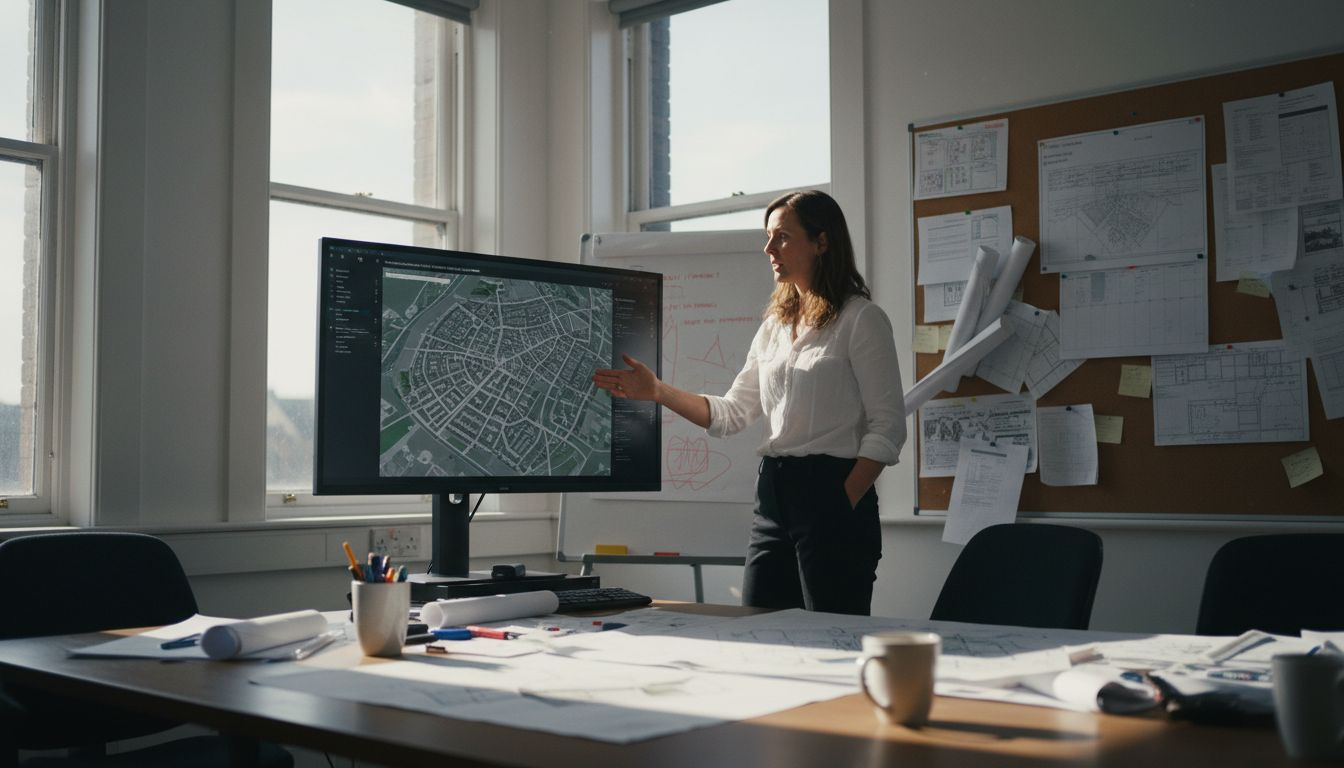
By leveraging advanced 3D modeling technologies, urban professionals can create more responsive, sustainable, and adaptable urban environments. The integration process goes beyond mere visual representation, enabling complex analytical processes that support comprehensive urban development strategies, from infrastructure planning to disaster management simulations.
Pro tip: Develop proficiency in multiple 3D modeling platforms to enhance your interdisciplinary collaboration capabilities.
Risks of Misunderstood Terminology in Planning
Specialized terminology challenges can significantly undermine effective communication in urban planning contexts. Complex technical language creates substantial barriers to understanding, potentially leading to misinterpretations that compromise project outcomes and stakeholder collaboration.
The primary risks associated with misunderstood planning terminology include:
- Communication Breakdown: Preventing clear interdisciplinary dialogue
- Project Misalignment: Creating inconsistent implementation strategies
- Stakeholder Confusion: Reducing engagement and participatory effectiveness
- Decision-Making Impediments: Obscuring critical strategic insights
- Professional Credibility: Undermining expert perception and trust
Technical Jargon represents a significant obstacle in urban planning discourse. When professionals rely excessively on complex, discipline-specific language, they inadvertently create communication barriers that exclude non-specialist stakeholders, including community members, policymakers, and potential collaborators.
Misunderstandings arising from specialized terminology can have profound consequences, ranging from minor project delays to substantial strategic misalignments. Effective urban planning requires a delicate balance between technical precision and accessible communication, ensuring that complex concepts are articulated in ways that facilitate comprehensive understanding across diverse professional and public contexts.
This table compares the consequences of clear versus misunderstood urban planning terminology:
| Communication Clarity | Project Efficiency | Stakeholder Involvement |
|---|---|---|
| Clear Terminology | Consistent strategies, timely delivery | Active, informed participation |
| Misunderstood Terminology | Delays, increased errors | Confusion, reduced engagement |
Pro tip: Develop a practice of translating technical terminology into clear, comprehensible language for diverse audiences.
Enhance Your Urban Projects with Advanced 3D Collaboration Tools
The challenges highlighted in the article emphasise how misunderstood city planning terminology and complex digital design methods can hinder effective collaboration and decision-making. If you are seeking to overcome communication breakdown and bridge the gap between technical jargon and clear visualisation, the solutions offered by 3DCityPlanner.com provide the perfect response. By integrating state-of-the-art 3D modelling, semantic data embedding, and real-time scenario simulation, 3DCityPlanner enables urban professionals to translate complex concepts into easily understood visuals that engage all stakeholders.
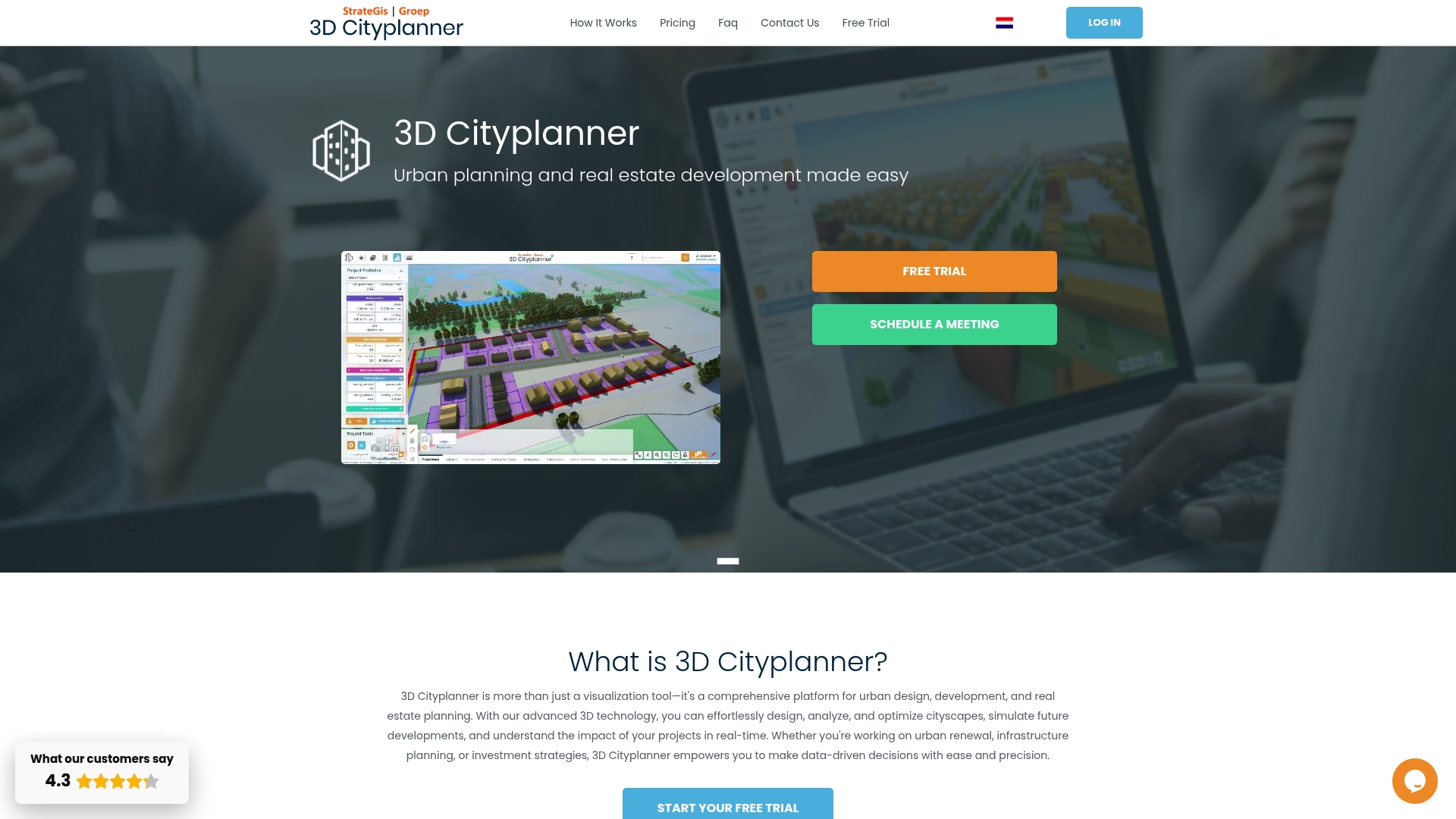
Experience how our platform supports automatic building generation, sound disturbance simulations, and 4D project timeline visualisation to streamline your urban planning process. Take charge now and transform your planning workflow by exploring how these tools align with the article’s focus on digital urban design and collaborative platforms. Visit 3DCityPlanner today to start your free trial, and deepen your expertise with our comprehensive training and educational material. Unlock the power of clear communication and advanced digital technology for more responsive, sustainable cities by navigating through 3DCityPlanner Features and integrating professional urban terminology into practical design solutions.
Frequently Asked Questions
What is city planning terminology?
City planning terminology refers to a set of specialized terms and concepts that guide urban development strategies, covering areas such as technological integration, urban governance, spatial dynamics, and socio-economic considerations.
How do 3D models enhance urban planning projects?
3D models provide unprecedented precision in spatial analysis, allowing urban planners to simulate complex urban environments, test multiple scenarios, and make data-driven design decisions, thus improving the overall quality of urban planning.
What roles do digital tools like Digital Twins play in city planning?
Digital Twins allow for real-time simulation of urban environments, enabling urban planners to predict outcomes of various design interventions, facilitating more informed decision-making throughout the planning process.
Why is clear communication important in urban planning terminology?
Clear communication is vital in urban planning as it prevents misunderstandings among stakeholders, promotes effective collaboration, and ensures alignment on project goals, ultimately leading to more successful outcomes.
Recommended
- Urban Planning Software with Collaboration Features
- Which Urban Planning Software Provides Strong Collaboration Features?
- 3d urban visualization | 3D Cityplanner
- Urban Planner | 3D Cityplanner
- 7 tipi di contratti di noleggio per aziende edili: guida pratica | NoleggioQui
- Transform Your Ideas with Innovative DTF Design Software – Transfer Kingz